Your Place for Long Island Paving BLOG
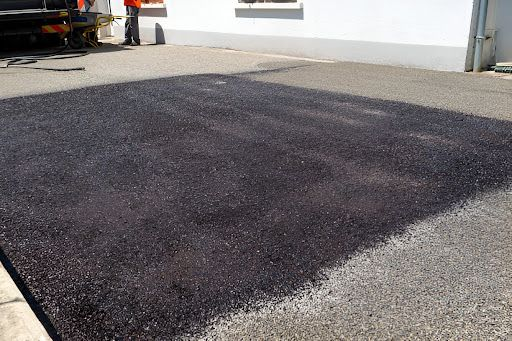
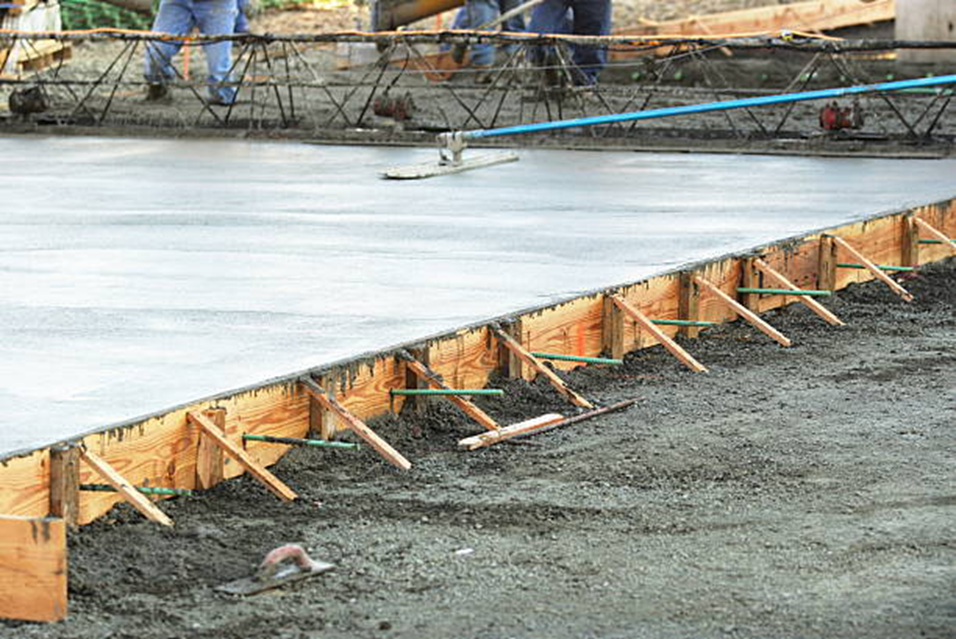
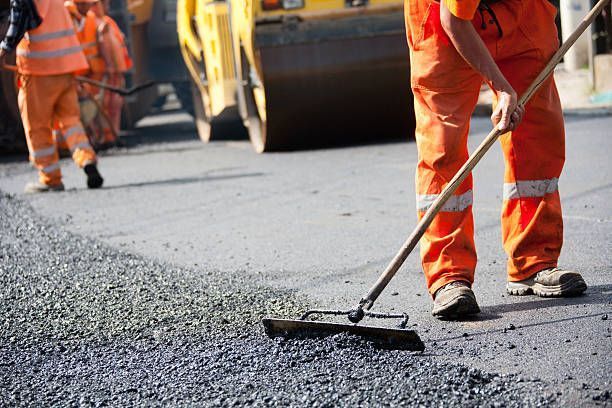
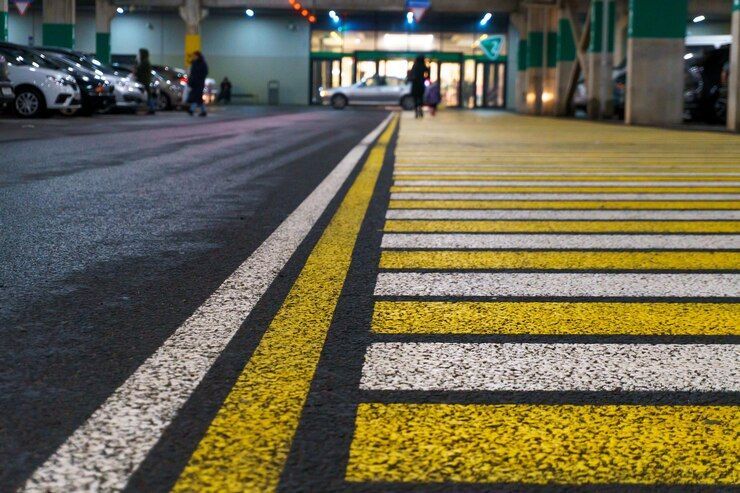
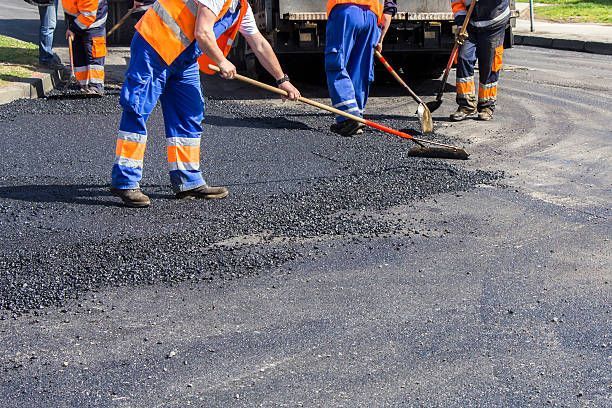
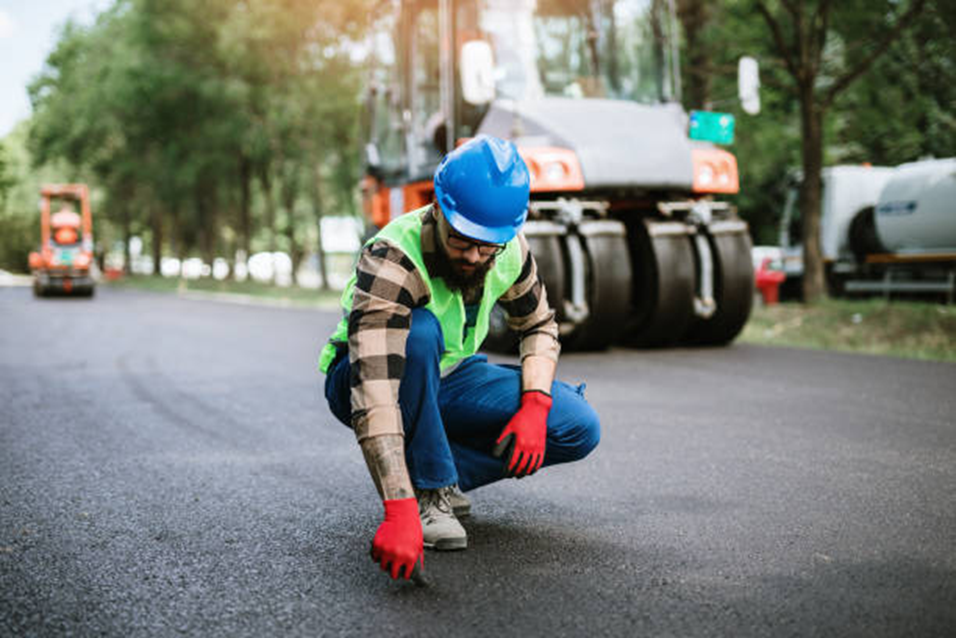
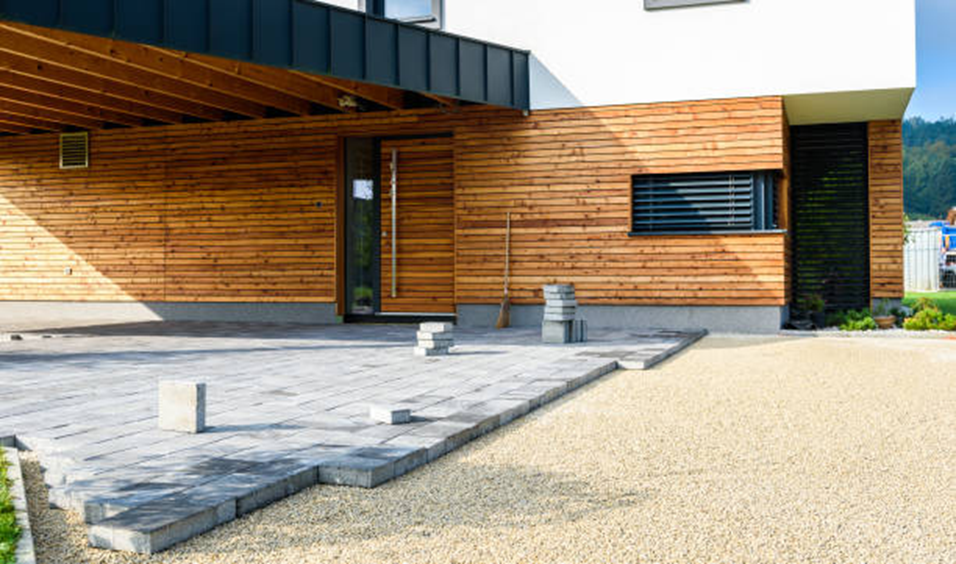
Parking lot paving is an essential part of maintaining safe and functional commercial properties across Long Island. A properly constructed surface improves traffic flow, reduces liability risks, and enhances the overall appearance of a business property. For many property owners, parking lot paving long island ny projects are a long-term investment that requires careful planning, quality materials, and ongoing maintenance. This guide explains the key stages of paving, repair, sealcoating, ADA compliance, and maintenance strategies used by commercial property managers and contractors such as LIA Asphalt. Understanding Parking Lot Paving in Long Island NY Parking lot paving involves more than laying asphalt. It includes structural preparation, drainage planning, and long-term durability considerations. Long Island weather conditions, including freezing winters and humid summers, make proper installation critical for performance and lifespan. Proper grading prevents water pooling Strong base layers improve durability Asphalt flexibility handles temperature changes Drainage design reduces surface damage A well-designed parking lot ensures safety, reduces maintenance costs, and supports heavy vehicle traffic common in commercial areas. Planning a Commercial Parking Lot Project Planning is the foundation of any successful paving project. Businesses upgrading or maintaining parking lots must evaluate site conditions, usage needs, and regulatory requirements before construction begins. Proper planning reduces future repair costs and improves long-term performance. Important considerations: Expected traffic volume and vehicle type Available land and layout efficiency Drainage direction and water management ADA compliance requirements Budget planning and lifecycle costs Key planning steps: Site inspection and soil testing Layout design and parking flow planning Material selection based on usage Permit and regulation review Companies like LIA Asphalt often assist in early-stage evaluations to ensure efficient project design. Installation Process of Parking Lot Paving The installation process requires precise execution to ensure long-lasting results. Each stage contributes to the structural integrity of the parking lot and affects long-term maintenance needs. Main steps: Excavation and site clearing Sub-base preparation and compaction Asphalt layering and rolling Surface finishing and striping Additional details: Proper compaction prevents early cracking Layer thickness depends on traffic load Weather conditions affect installation timing A correctly installed surface reduces the need for frequent asphalt repair long island ny services and improves durability under heavy use. Table: Common Parking Lot Issues and Solutions

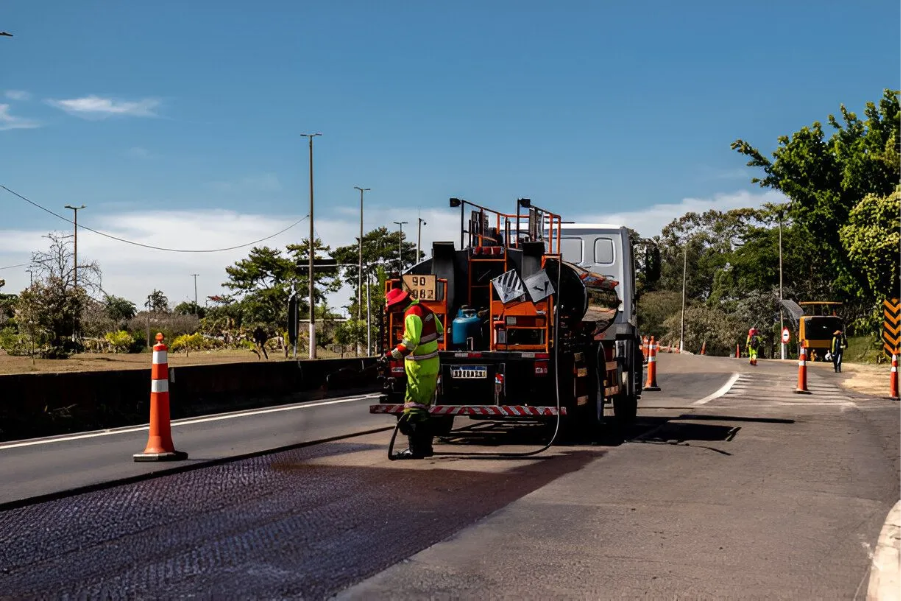
Parking lot sealcoating is one of the simplest ways to protect asphalt and avoid costly repairs. On Long Island, changing seasons can be tough on pavement. Therefore, a proactive maintenance plan makes a real difference. From freezing winters to hot, humid summers, asphalt faces constant stress. Over time, you may see fading, small cracks, and surface wear. However, the right sealcoat helps slow that damage and keeps your lot looking clean and professional. Local contractors such as LI Asphalt offer maintenance services designed for Long Island conditions. When you understand the process, you can plan work at the right time and control long-term costs. What is parking lot sealcoating? Parking lot sealcoating is the application of a protective liquid coating over asphalt. This barrier helps block sunlight, water, oil, and chemicals from soaking into the surface. As a result, your pavement stays stronger for longer. Asphalt is naturally porous. That means moisture and contaminants can enter the pavement and weaken the binder. Additionally, oxidation from UV rays can make the surface brittle. Main functions of sealcoating Helps protect against UV damage and oxidation Reduces water penetration and moisture intrusion Improves appearance with a darker, uniform finish Helps resist oil, salt, and chemical stains Supports longer pavement life with routine upkeep Why sealcoating matters in Long Island Long Island weather creates a harsh cycle for asphalt. Coastal moisture, snow, and freeze-thaw shifts can expand and contract the pavement. Over time, that movement can lead to cracks and base damage. Without a protective sealcoat, asphalt is more vulnerable to: Freeze-thaw cracking in winter Oxidation and surface brittleness Water seepage that weakens underlying layers Oil drips and chemical exposure in parking areas This is why many property owners treat sealcoating Long Island projects as routine prevention, not an optional upgrade. Once the base is compromised, repairs become far more expensive. Benefits of parking lot sealcoating for property owners A quality asphalt sealcoating plan protects your investment and improves curb appeal. It also helps reduce downtime from frequent patching and emergency repairs. Sealed vs. unsealed asphalt