Long Island Concrete Paving Contractor
Upgrade Your Home with a New Concrete Driveway
Concrete is a durable, attractive option for driveways. When choosing between concrete and asphalt for your home's driveway, there are many factors to weigh out, from durability to aesthetic preference.
Especially on Long Island, where we experience some extreme temperatures and coastal storms, you should consider the following:
Longevity
Concrete: Often lasts longer than asphalt, typically 30–40 years or more with proper maintenance.
Asphalt: While durable, asphalt driveways generally last 15–20 years, depending on conditions.
Maintenance
Concrete: Requires less frequent maintenance compared to asphalt. It might need occasional cleaning or sealing but doesn’t require regular resurfacing.
Asphalt: Requires more upkeep, such as regular sealcoating (every 2–3 years) and crack repairs to prevent deterioration.
Durability in Heat
Concrete: More resistant to high temperatures. Asphalt tends to soften and can get sticky in extreme heat, which can lead to quicker wear and tear.
Asphalt: Better suited for cold climates, as it can handle freeze-thaw cycles better than concrete, which is prone to cracking in freezing conditions.
Aesthetic Appeal
Concrete: Offers more design versatility with different textures, colors, and finishes (e.g., stamped or stained concrete).
Asphalt: Typically black and doesn’t provide the same design flexibility, though it's smooth and clean-looking.
Cost
Concrete: Usually more expensive upfront, costing more per square foot than asphalt, but likely requires less maintenance.
Asphalt: More affordable to install initially, making it a popular choice for budget-conscious homeowners.
Get a Free Quote
Contact Us
Environmental Impact
Concrete: It can reflect more heat (higher albedo), contributing to urban heat islands. However, some eco-friendly concrete options exist that use recycled materials.
Asphalt: Can be recycled and repurposed, but the production of asphalt can have a higher carbon footprint compared to concrete.
Repair and Resurfacing
Concrete: More difficult and expensive to repair. Large cracks or major damage often require replacing entire sections.
Asphalt: Easier and more cost-effective to repair. Small cracks can be filled, and resurfacing is a common, affordable maintenance solution.
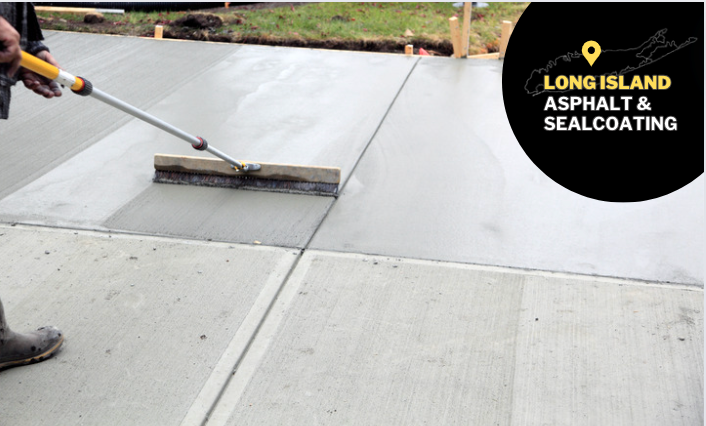
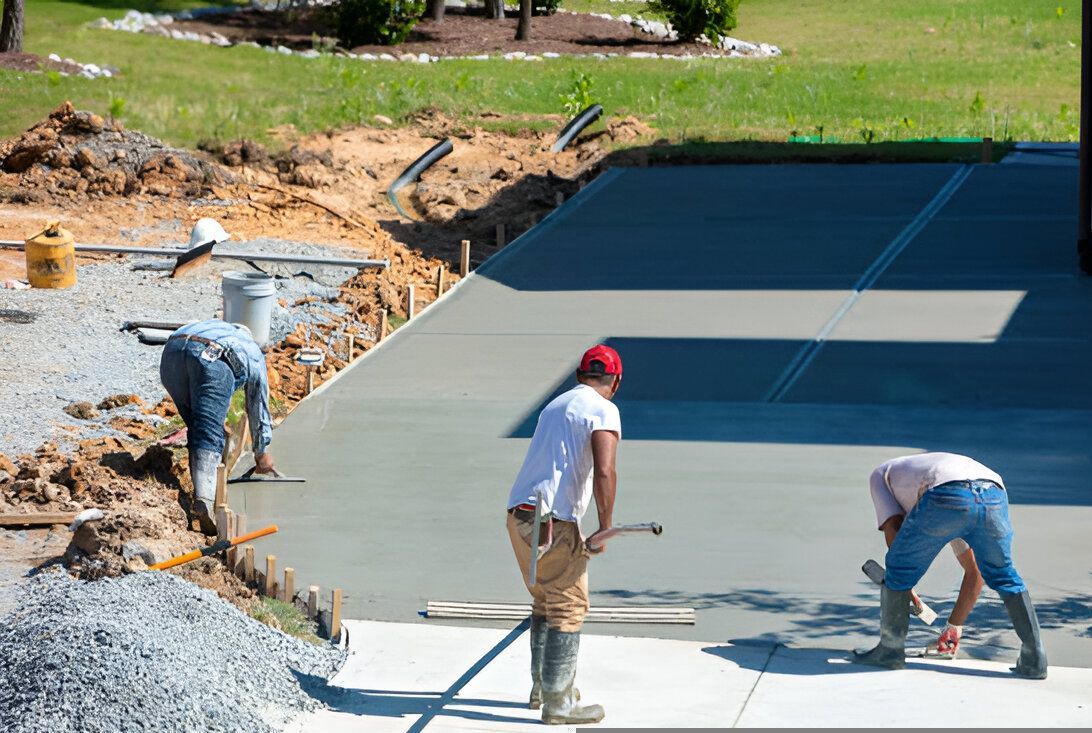
Both materials have their pros and cons, so the choice often comes down to personal preferences, budget, and the specific needs of the homeowner's location. An experienced, licensed concrete paving contractor has the skills to properly prepare the site and install your concrete driveway and walkway.
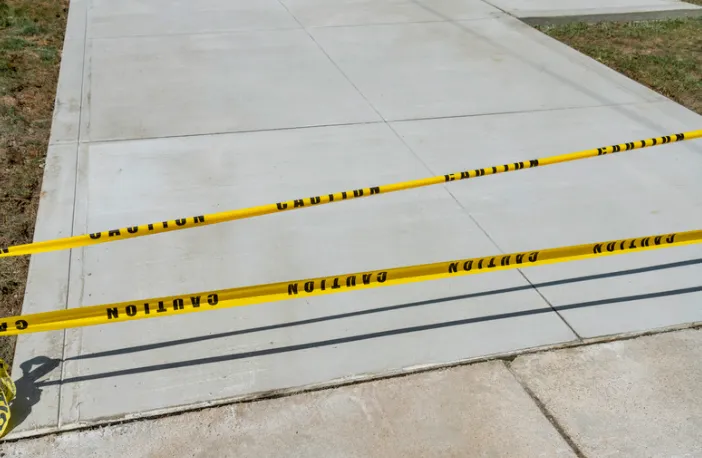
Signs It's Time to Replace Your Concrete Driveway
Even the most durable concrete driveway will eventually show signs of wear. Recognizing these issues early can help you avoid more extensive damage and expensive repairs. If you notice any of the following problems, it may be time to consult a professional concrete driveway contractor:
- Large or widening cracks that continue to spread over time
- Uneven, sunken, or shifting sections that create safety hazards
- Standing water after rainfall caused by poor drainage or settling
- Surface scaling, flaking, or chipping that affects durability and appearance
- Frequent repairs that become more expensive than replacement
- Faded, worn, or damaged surfaces that reduce your property's curb appeal
Thoroughly inspect your existing driveway to determine the most practical solution. If repairs are no longer cost-effective, our team will recommend a professional
concrete driveway installation designed to provide long-lasting performance, improved functionality, and enhanced curb appeal for your Long Island property.

A Perfectly Laid, Durable Long Island Concrete Driveway... Every Time
Experienced Long Island concrete paving contractors deliver professional concrete driveway installation.
Frequently Asked Questions | FAQs
What factors should be considered before starting a concrete driveway installation?
Before beginning a concrete driveway installation, factors like soil condition, drainage requirements, driveway slope, concrete thickness, reinforcement needs, and local weather conditions should be evaluated. Proper planning ensures durability and prevents premature cracking or structural issues.
What concrete thickness is recommended for residential driveways?
Most residential driveways require concrete thickness between four and six inches, depending on expected vehicle loads and soil conditions. As a professional concrete driveway contractor, we evaluate site requirements to determine the appropriate specifications for strength and durability.
How does reinforcement improve concrete driveway durability?
Reinforcement materials such as steel rebar or wire mesh help strengthen concrete by reducing cracking and improving structural stability. During installation, proper reinforcement placement allows the surface to better handle vehicle weight and environmental stress.
Why is drainage important during concrete sidewalk installation?
Proper drainage prevents water accumulation that can weaken the concrete base and cause cracks or uneven surfaces. During concrete sidewalk installation, professionals establish correct grading and slopes to direct water away from the pavement and surrounding structures.
How does weather affect concrete installation in Long Island?
Temperature changes, moisture levels, and seasonal conditions can impact concrete placement and curing. As a professional concrete paving contractor, we schedule installations carefully to ensure proper setting and reduce weather-related damage risks.
What maintenance helps extend the life of concrete sidewalks and driveways?
Regular cleaning, sealing when recommended, prompt crack repairs, and proper drainage maintenance help preserve concrete surfaces. Routine care after concrete sidewalk installation can prevent deterioration and maintain appearance for many years.
What type of concrete mix is suitable for driveway installation projects?
The ideal concrete mix depends on factors such as climate, expected traffic, and project requirements. As a professional concrete driveway contractor, we select the appropriate strength rating and mix design to ensure the surface performs well under Long Island weather conditions.
What equipment is used during professional concrete paving projects?
Professional paving projects may require excavation equipment, compactors, concrete finishing tools, screeds, and leveling equipment. As a skilled concrete paving contractor, we use specialized tools to achieve accurate grading, smooth finishes, and consistent results.
How do you ensure ADA compliance for concrete sidewalk installation?
During installation, professionals consider slope requirements, surface smoothness, accessibility standards, and proper transitions. Careful planning helps create safe pathways that meet functional and regulatory requirements for users.