Decorative Concrete on Long Island: A Good Fit for Patios and Walkways?
Decorative concrete is transforming outdoor living spaces across Long Island. Once known only for its strength and durability, concrete now offers design flexibility that rivals natural stone, brick, or pavers. Homeowners in Suffolk and Nassau Counties are increasingly turning to Long Island concrete specialists to create stylish patios and walkways that combine beauty with long-term performance.
This guide explores the benefits of decorative concrete, popular design options, maintenance requirements, and tips for choosing experienced concrete contractors on Long Island to achieve the perfect result.
Understanding Decorative Concrete
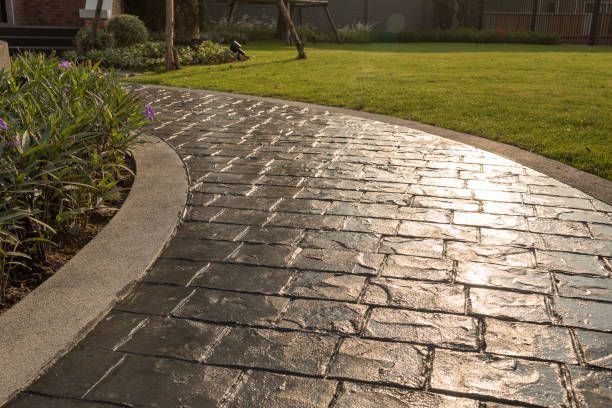
Decorative concrete is concrete that has been enhanced with colour, texture, or patterns to create an appealing surface. Unlike plain grey slabs, it can mimic natural materials like slate, wood, or cobblestone.
Decorative treatments may include:
- Stamped concrete: Patterns and textures are imprinted while the concrete is still wet, producing the look of stone, tile, or brick.
- Stained concrete: Acid or water-based stains add colour and depth, creating a marbled or natural stone appearance.
- Polished concrete: Mechanical polishing creates a smooth, reflective finish ideal for modern patios.
- Exposed aggregate: Stones and pebbles are revealed for a textured, slip-resistant surface.
Each option offers unique advantages in terms of cost, maintenance, and design flexibility.
Why Decorative Concrete is Ideal for Long Island Patios and Walkways
Long Island’s climate presents unique challenges for outdoor surfaces. Freeze-thaw cycles, heavy rainfall, and seasonal temperature swings can cause cracking, shifting, and deterioration in lesser materials. Decorative concrete provides a strong solution while enhancing curb appeal.
Key Benefits
| Feature | Decorative Concrete | Traditional Pavers | Natural Stone |
|---|---|---|---|
| Durability | High (resists cracking when installed correctly) | Moderate | High but prone to shifting |
| Maintenance | Low (periodic sealing) | Moderate (weeds, settling) | Moderate to High |
| Design Options | Wide range of colours, textures, and patterns | Limited | Natural variations only |
| Cost Efficiency | Generally lower than natural stone | Similar or higher | High |
| Longevity | 20–30+ years with proper care | 10–20 years | 30+ years |
Decorative concrete balances performance and aesthetics, making it ideal for both residential and commercial properties across Nassau and Suffolk Counties.
Design Ideas for Patios and Walkways
The flexibility of decorative concrete allows homeowners to create customised outdoor spaces. Popular design concepts include:
1. Stamped Patterns for Natural Appeal
Stamped concrete can replicate the look of flagstone, brick, or cobblestone without the high cost or complex installation. Common patterns on Long Island include ashlar slate, herringbone brick, and European fan designs.
2. Colour Integrations
Integrally coloured concrete blends pigments into the mix, ensuring colour remains consistent even as the surface wears. Stains and dyes can also be layered for a rich, variegated effect that complements surrounding landscapes.
3. Exposed Aggregate for Texture
For walkways, exposed aggregate provides a slip-resistant finish while showcasing decorative pebbles or stones. This is particularly beneficial near pools or high-traffic areas.
4. Borders and Inlays
Adding contrasting borders or geometric inlays elevates the design, creating a polished look that enhances property value.
Factors to Consider Before Installation
Decorative concrete requires careful planning to ensure a long-lasting, attractive surface. Homeowners should evaluate:
Climate and Weather
Long Island’s freeze-thaw cycles can stress outdoor surfaces. Proper installation techniques, including adequate subgrade preparation and control joints, help prevent cracking.
Drainage
Poor drainage can cause water pooling and premature damage. Experienced concrete contractors on Long Island will grade surfaces correctly and incorporate drainage solutions.
Sealing and Maintenance
While decorative concrete is low-maintenance, regular sealing protects against stains, UV fading, and moisture penetration. Most patios and walkways should be sealed every two to three years.
Choosing the Right Concrete Contractors on Long Island
The success of any decorative concrete project depends on the skill of the installer. Quality craftsmanship ensures longevity, while poor installation can lead to cracking, uneven surfaces, or fading. When selecting a contractor:
- Verify Experience – Look for companies with a proven track record in decorative concrete and familiarity with paving on Long Island.
- Check References – Request to view past projects and read client reviews.
- Confirm Licensing and Insurance – Ensure the contractor is licensed in Suffolk or Nassau County and carries liability coverage.
- Discuss Design Options – A reliable professional will provide detailed samples, colour charts, and pattern choices.
- Get a Written Estimate – Transparent pricing and timelines help avoid unexpected costs.
Long Island Asphalt and its Long Island concrete paving services are trusted resources for homeowners seeking quality installation and long-term reliability. The brand’s experience in asphalt and concrete paving ensures projects are built to withstand the region’s weather while delivering visual appeal.
Installation Process: What to Expect
A typical decorative concrete installation follows several key steps:
- Site Preparation: The area is excavated, graded, and compacted to create a stable base. Proper subgrade preparation is essential for preventing shifting and cracking.
- Formwork and Reinforcement: Wooden or metal forms shape the patio or walkway. Reinforcement such as rebar or wire mesh adds strength.
- Mixing and Pouring: High-quality concrete is mixed to the appropriate consistency and poured evenly across the forms.
- Stamping or Finishing: Patterns, textures, or colours are applied while the concrete is still workable. Timing is critical to achieve consistent results.
- Curing and Sealing: The surface is allowed to cure for several days before sealing. Sealing enhances colour, prevents moisture intrusion, and adds protection against wear.
Maintenance Tips for Long-Term Beauty
Decorative concrete is low maintenance compared to other materials, but proper care extends its life:
- Clean regularly with a mild detergent and water.
- Reseal every 2–3 years to maintain colour and surface protection.
- Avoid harsh de-icing chemicals in winter to prevent surface damage.
- Address small cracks promptly to prevent further deterioration.
By following these steps, Long Island homeowners can enjoy patios and walkways that remain vibrant and functional for decades.
Cost Considerations
While costs vary based on size, pattern complexity, and site conditions, decorative concrete is typically more cost-effective than natural stone. Factors that influence price include:
- Pattern Complexity: Intricate stamps and multi-colour designs require more labour.
- Site Preparation: Areas with poor soil or drainage may need additional grading.
- Sealing Frequency: Regular sealing is an ongoing but manageable expense.
Discussing these variables with experienced concrete contractors on Long Island ensure accurate estimates and helps plan a budget that aligns with your project goals.
Sustainable Benefits of Decorative Concrete
Decorative concrete is not only stylish but also environmentally responsible. Its reflective properties reduce heat absorption, helping to moderate surface temperatures during Long Island summers. Additionally, long-lasting materials mean fewer replacements and less environmental waste.
Key Takeaways
Decorative concrete provides a versatile, durable, and cost-effective solution for enhancing patios and walkways across Long Island. From stamped patterns to vibrant stains, the design possibilities are nearly endless. By partnering with reputable professionals like Long Island Asphalt, homeowners can enjoy surfaces that withstand the region’s challenging climate while adding significant curb appeal.
Final Thoughts
Decorative concrete is a smart investment for homeowners seeking both style and strength. With the right design, professional installation, and regular maintenance, patios and walkways can remain beautiful and functional for decades. Whether you’re planning a new build or upgrading an existing space, Long Island concrete solutions offer the perfect blend of durability and aesthetic appeal.
For expert guidance, explore the professional services offered by Long Island Asphalt and their dedicated Long Island concrete paving team. Their experience in concrete and paving ensures each project is built to last and designed to impress.
Frequently Asked Questions
How long does decorative concrete last?
When installed and maintained properly, decorative concrete can last 20 to 30 years or more.
Can decorative concrete handle Long Island’s winters?
Yes. Proper sealing and installation techniques protect against freeze-thaw cycles common in Nassau and Suffolk Counties.
How often should decorative concrete be sealed?
Sealing every two to three years is recommended to maintain colour vibrancy and surface integrity.
Is decorative concrete slippery when wet?
Finishes such as exposed aggregate or slip-resistant sealers can reduce slipperiness, making it safe for walkways and pool areas.
How do I choose the right contractor?
Look for experienced concrete contractors on Long Island with positive reviews, proper licensing, and a portfolio of completed decorative projects.