Avoiding Cracks in New Concrete Paving: Best Installation Practices
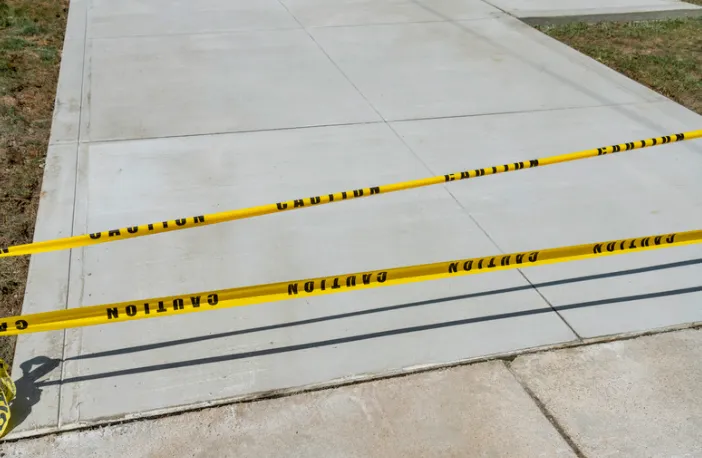
Concrete is one of the most widely used construction materials, known for its strength, versatility, and long-lasting performance. However, cracks can develop in newly poured concrete if installation and curing practices are not followed carefully. Homeowners and business owners in Long Island often rely on Long Island Asphalt & Sealcoating to ensure their driveways, patios, walkways, and commercial paving projects remain durable for years to come.
Whether you’re planning a new driveway or a commercial paving project, this guide explores the causes of concrete cracking, preventative measures, and expert techniques. By working with professional concrete contractors Long Island, property owners can avoid common installation mistakes and enjoy smooth, crack-free concrete surfaces.
Why Concrete Cracks: Common Causes
Concrete is extremely durable but not immune to damage. Understanding why cracks occur helps homeowners and contractors take preventative measures before pouring concrete. Some of the most common causes include:
- Shrinkage During Curing: Concrete naturally shrinks as water evaporates during curing. Without proper joint placement, this shrinkage leads to cracks.
- Improper Mixing Ratios: Too much water in the mix weakens concrete, reducing its strength and making it more prone to cracking.
- Poor Subgrade Preparation: A weak or uneven base causes concrete slabs to settle unevenly, resulting in structural damage.
- Extreme Temperatures: Rapid temperature changes or freeze-thaw cycles can cause stress fractures in concrete.
- Heavy Loads: Consistent pressure from vehicles or machinery can stress slabs beyond their capacity.
- Lack of Reinforcement: Skipping reinforcement such as steel mesh or rebar increases the likelihood of surface cracks.
Understanding these factors highlights the importance of working with trusted paving Long Island specialists who account for every detail during installation.
The Importance of Hiring Professional Concrete Contractors
While DIY projects can be tempting, concrete installation is a specialized skill. Hiring experienced concrete contractors Long Island ensures your surfaces are durable, properly finished, and built to withstand years of wear and tear. Here’s why professionals are essential:
- Accurate Site Assessment
Contractors evaluate soil composition, slope, drainage, and load requirements before construction. - High-Quality Materials
Professionals use premium concrete mixes suited to Long Island’s weather conditions. - Correct Installation Techniques
From reinforcement placement to slab thickness, every step is executed with precision. - Time and Cost Efficiency
Professional installation minimizes the risk of costly repairs in the future. - Compliance with Local Standards
Licensed contractors follow local building codes, ensuring safety and quality.
Investing in professional paving Long Island services guarantees a longer-lasting, low-maintenance solution.
Site Preparation: The Foundation of Crack-Free Concrete
The success of any concrete project begins long before the mix is poured. Proper site preparation is essential for preventing cracks and achieving a smooth, stable finish.
- Clearing the Area: Contractors remove vegetation, debris, and loose soil to ensure a clean working surface.
- Subgrade Evaluation: The underlying soil is assessed for stability. If needed, additional materials like crushed stone are added for support.
- Grading and Slope Adjustments: Proper grading ensures water drains away from the concrete, reducing erosion and freeze-thaw damage.
- Compaction: The soil is compacted using specialized equipment to create a solid, uniform base.
Working with skilled Long Island concrete professionals ensures no detail is overlooked during this crucial step.
Best Practices for Mixing and Pouring Concrete
Concrete strength largely depends on its mix ratio and pouring technique. Improper mixing can lead to weak slabs, while poor pouring methods increase the risk of cracking.
- Water-to-Cement Ratio: Maintaining the correct water ratio is critical. Too much water weakens the slab; too little makes the mix difficult to work with.
- Use of Additives: Contractors often use additives to enhance strength, improve workability, or adjust curing times.
- Batching Process: Concrete should be batched consistently to ensure uniform quality throughout the project.
- Vibration: Contractors use vibrators to remove air pockets, reducing internal weaknesses.
- Timely Pouring: Delays between mixing and pouring should be minimized to avoid setting issues.
Professionals in paving Long Island ensure every mix is engineered for durability.
Reinforcement Techniques for Long-Lasting Concrete
Concrete is strong in compression but weak in tension. To combat this weakness, reinforcement is essential.
- Steel Rebar: Embedded rebar distributes tension across the slab, preventing cracks from spreading.
- Wire Mesh: Wire mesh is often used in driveways and sidewalks for added structural integrity.
- Fiber Reinforcement: Fibers are added to the mix to control shrinkage cracking and enhance durability.
Using reinforcement methods recommended by concrete contractors Long Island improves load-bearing capacity and extends the life of your concrete.
Proper Joint Placement
Control joints are pre-planned cuts in the concrete surface that allow it to crack in predictable, controlled locations. These joints are strategically placed based on the slab’s size, thickness, and purpose.
- Timing: Joints should be cut within 6-18 hours after pouring, depending on weather conditions.
- Spacing: Joints are generally placed at intervals equal to 24-36 times the slab’s thickness.
- Depth: Joints are typically cut to one-quarter the depth of the slab.
With precise planning, Long Island concrete paving experts minimize random cracks and ensure a cleaner appearance.
Curing: The Key to Strong, Crack-Free Concrete
Curing is one of the most critical steps in concrete installation. Proper curing ensures that the slab reaches maximum strength and reduces cracking risk.
- Moisture Retention: Covering the surface with wet burlap or plastic helps retain moisture.
- Curing Compounds: Chemical sealants can be applied to prevent water evaporation.
- Gradual Drying: Rapid drying weakens concrete and increases cracking. Professionals ensure a slow, controlled curing process.
Contractors often recommend a curing period of at least 7 days for optimal strength, though concrete continues to gain strength for up to 28 days.
Weather Considerations for Concrete Installation
Long Island’s climate poses unique challenges for concrete work. Seasonal changes, rainfall, and freeze-thaw cycles all affect curing and performance.
- Summer: Hot weather accelerates drying, requiring additional curing measures.
- Winter: Insulating blankets or heated enclosures protect concrete from freezing.
- Rainy Days: Coverings and waterproof tarps prevent surface imperfections.
Scheduling your project with experienced concrete contractors in Long Island ensures that weather conditions are managed effectively.
Concrete Finishing Options
Concrete doesn’t have to be plain or purely functional. Many finishing options enhance appearance and usability:
| Finish | Description | Best Use |
|---|---|---|
| Broom Finish | Slip-resistant texture created with a broom. | Driveways, sidewalks, patios |
| Stamped Concrete | Decorative finish resembling brick or stone. | Pool decks, outdoor entertainment spaces |
| Exposed Aggregate | Reveals decorative stone in the surface. | Landscaping, walkways |
| Polished Concrete | High-gloss finish for a modern look. | Commercial spaces, interiors |
| Trowel Finish | Smooth finish for garages or indoor surfaces. | Garage floors, basements |
Consulting Long Island concrete paving specialists helps choose the best option for your project.
Long-Term Maintenance Tips
Even perfectly installed concrete needs regular maintenance. Here’s how to keep your surfaces crack-free:
- Clean Regularly: Remove dirt, oil, and debris to prevent staining and deterioration.
- Seal the Surface: Sealing concrete every few years protects it from moisture, chemicals, and freeze-thaw cycles.
- Avoid Heavy Loads: Do not park heavy trucks or machinery on thin slabs.
- Inspect Frequently: Identify and repair minor cracks early to prevent spreading.
- Ensure Proper Drainage: Standing water accelerates damage; proper slope design helps avoid this issue.
For long-term care, paving Long Island professionals provide expert maintenance services.
Benefits of Professional Concrete Paving
Working with experienced contractors offers numerous advantages:
- Enhanced structural integrity
- Aesthetic design options to suit your property
- Reduced maintenance and repair costs
- Compliance with local codes and safety regulations
- Increased property value
Choosing a trusted provider for concrete paving in Long Island is an investment in both safety and aesthetics.
Frequently Asked Questions (FAQ)
How do I stop new concrete from cracking?
Proper reinforcement, joint placement, and curing are essential. Working with expert Long Island concrete contractors ensures your concrete is installed to last.
How long should I wait before driving on new concrete?
Most professionals recommend waiting at least 7 days before driving on residential concrete, but full strength is achieved after 28 days.
Is sealing concrete necessary?
Yes, sealing is recommended every 2-3 years to prevent water damage, stains, and cracks.
What’s the best time of year for concrete paving in Long Island?
Spring and fall are ideal because of moderate temperatures, but skilled contractors can work year-round with proper precautions.
Who should I contact for expert paving services?
Reach out to Long Island Asphalt & Sealcoating for expert paving solutions and maintenance advice.
Conclusion
Concrete is one of the most reliable materials for driveways, walkways, patios, and commercial spaces, but its longevity depends on expert installation and proper care. By understanding why cracks form and taking preventive measures, property owners can enjoy beautiful, long-lasting results.
Long Island Asphalt & Sealcoating has built a reputation for exceptional craftsmanship, precision, and customer service. From site preparation to finishing touches, their team ensures every project exceeds expectations.
For expert guidance on paving Long Island or to request a consultation, visit Long Island Asphalt & Sealcoating today.