How to Maintain Masonry Walls & Paving Stones in Coastal Environments
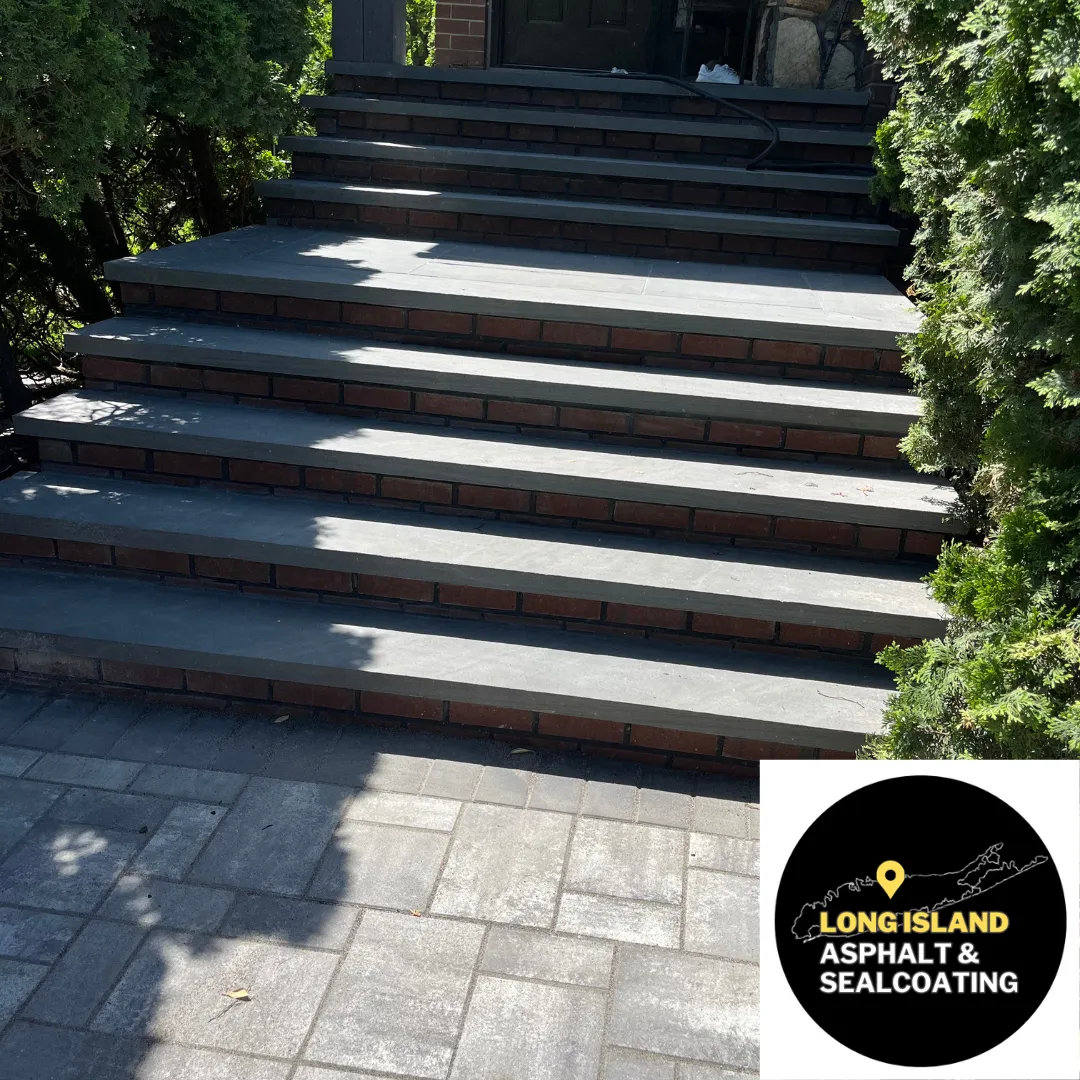
Masonry walls and paving stones are known for their durability and timeless charm, but maintaining them in coastal environments requires special care. Coastal areas like Long Island experience high humidity, salty air, and frequent storms, which can damage masonry over time. Without proper maintenance, walls and paving stones can crack, erode, or lose their appeal. At Long Island Asphalt & Sealcoating, we’ve seen how early intervention and professional care can make a difference.
This guide will help you understand why coastal conditions are harsh on masonry, how to care for these surfaces, and when to call in professionals for masonry repair on Long Island. By following these steps, you can protect your property and keep your outdoor spaces looking beautiful for years to come.
Why Coastal Conditions Are Tough on Masonry
Living near the water offers breathtaking views but also presents unique challenges for masonry materials. The combination of salty air, frequent rainfall, and fluctuating temperatures makes masonry in coastal regions more vulnerable to damage. Salt can seep into porous materials, and over time, crystallization within the surface can weaken walls and paving stones.
To safeguard your property, it’s essential to understand these environmental threats and plan regular maintenance with a Long Island masonry company.
Some contributing factors include:
- Salt-laden air is causing staining and surface flaking
- High humidity encourages moss and algae growth
- Frequent storms lead to water damage and erosion
- Temperature swings create cracks through expansion and contraction
Common Masonry Problems in Coastal Environments
Masonry structures in Long Island and other coastal regions often show early signs of wear. By identifying these issues, you can act quickly and avoid expensive repairs. Each problem has unique causes and requires targeted solutions.
Key masonry problems in coastal settings include:
- Efflorescence and Staining: White deposits on masonry from salt and minerals signal moisture penetration.
- Cracking and Spalling: Small cracks can expand over time, causing surface flaking and deeper structural damage.
- Moss and Algae Growth: High humidity and shaded areas create the perfect environment for slippery growths.
- Mortar Erosion: Weak mortar joints make structures less stable and lead to loose stones or bricks.
- Paver Shifting: Heavy rain and washed-out sand cause uneven paving stones, affecting safety and appearance.
Working with professionals in masonry repair on Long Island ensures these issues are resolved quickly and effectively.
Preventive Maintenance for Masonry Walls
A proactive approach to maintenance is the best way to protect masonry walls in coastal environments. Regular care not only keeps structures safe but also extends their lifespan. By combining at-home tasks with professional services, you can avoid major damage.
Essential preventive steps include:
- Routine Cleaning: Wash walls with gentle solutions to remove salt and grime.
- Sealing Surfaces: Apply quality sealants every 2–3 years for long-lasting protection.
- Regular Inspections: Spot cracks, discoloration, and mortar erosion early.
- Drainage Solutions: Ensure proper grading and gutter systems to direct water away.
Cleaning Masonry Surfaces Effectively
Cleaning masonry correctly prevents long-term staining and damage. Harsh chemicals and improper pressure washing can weaken materials, so use safe methods. Coastal homeowners should plan for more frequent cleanings to remove salt buildup.
Tips for effective cleaning include:
- Use soft brushes and pH-neutral cleaners
- Rinse with fresh water to remove residue
- Avoid high-pressure washing without professional help
- Schedule annual cleanings with a Long Island masonry company
Importance of Sealing Masonry
Sealants act as a protective barrier, keeping water and salt from penetrating the surface. Sealing not only preserves the structure but also improves aesthetics by enhancing natural colors. Professionals recommend resealing walls and pavers every 2–3 years, especially in harsh environments.
Why sealing is essential:
- Blocks moisture and reduces efflorescence
- Protects against salt damage and staining
- Minimizes crack formation from freeze-thaw cycles
- Extends masonry’s lifespan and reduces repair costs
Routine Inspections: Catching Problems Early
Inspections are an inexpensive way to prevent major repairs. Homeowners should check their masonry surfaces at least quarterly, with additional professional inspections every year. Spotting small issues like hairline cracks or minor stains can save thousands in future repairs.
Things to look for during inspections:
- Cracks, holes, or gaps in masonry
- Discoloration or white salt deposits
- Loose or missing mortar
- Signs of water pooling near walls or paving
Paving Stone Maintenance in Coastal Environments
Paving stones require just as much care as masonry walls. They are exposed to the same salty air and moisture, making them prone to similar damage. Patios, driveways, and walkways need consistent cleaning and joint maintenance to remain functional and safe.
Best practices for paving stone care:
- Sweep regularly to prevent scratches from sand or debris
- Rinse with water to remove salt buildup
- Reapply sand between pavers every 1–2 years
- Apply sealant to reduce water penetration and UV damage
Comparing Masonry Wall vs. Paving Stone Care
| Feature | Masonry Walls | Paving Stones |
|---|---|---|
| Common Issues | Cracks, efflorescence, mortar erosion | Staining, unevenness, joint sand loss |
| Cleaning Frequency | 2–3 times a year | Quarterly or after major storms |
| Sealing Frequency | Every 2–3 years | Every 2 years |
| Inspection Frequency | Every 3–4 months | Every 3–4 months |
| Professional Services | Tuckpointing, crack sealing, waterproofing | Joint re-sanding, paver replacement |
Signs You Need Masonry Repair
Knowing when to call for masonry repair on Long Island is essential to prevent long-term damage. Early intervention keeps costs low and ensures safety.
Signs your masonry needs attention:
- Persistent white staining or efflorescence
- Crumbling mortar and loose stones
- Deep cracks in walls or pavers
- Uneven or sinking walkways
- Growth of moss, algae, or mold despite cleaning
The Role of Professional Masonry Services
Professional masons have the expertise, tools, and materials to handle coastal masonry challenges. Whether you need a small repair or a full restoration, hiring a Long Island masonry company ensures durable and lasting results.
Professional masonry services include:
- Crack sealing and mortar repointing
- Surface cleaning and restoration
- Waterproofing and sealing
- Paver leveling and replacement
- Custom masonry construction and repair
Eco-Friendly Masonry Care
Sustainable practices help protect your property and the environment. Homeowners in coastal areas can choose eco-conscious products and designs that promote longevity and reduce waste.
Eco-friendly maintenance tips:
- Choose biodegradable cleaning solutions
- Collect rainwater for patio rinsing
- Use permeable pavers for better drainage
- Select locally sourced materials for projects
- Incorporate greenery to reduce erosion
DIY vs. Professional Care: What’s Best?
While DIY maintenance helps reduce costs, not all repairs should be attempted at home. Professional masonry services guarantee proper installation and repairs that meet safety standards.
| Task | DIY-Friendly? | Professional Recommended? |
|---|---|---|
| Sweeping and rinsing | Yes | No |
| Sealing masonry surfaces | Sometimes | Yes |
| Crack and mortar repair | No | Yes |
| Leveling uneven pavers | Sometimes | Yes |
| Deep cleaning with chemicals | No | Yes |
FAQ: Masonry Wall & Paving Stone Care
Q1: How often should masonry surfaces be sealed in coastal environments?
Sealing every 2–3 years is recommended for masonry walls and paving stones. Professionals specializing in masonry repair on Long Island can provide customized advice.
Q2: Can efflorescence damage masonry over time?
Efflorescence is a sign of moisture penetration. While it’s not damaging at first, untreated moisture issues can lead to cracks and weakening.
Q3: How can I prevent moss and algae growth?
Keep surfaces dry, clear debris, and apply moss inhibitors. Professional cleaning services are also effective.
Q4: Should I attempt small crack repairs myself?
Small cracks may be sealed with caulk, but professionals should handle deeper damage for structural safety.
Q5: What’s the best way to clean paving stones?
Use mild, pH-neutral cleaners and avoid aggressive power washing without guidance.
Conclusion
Masonry walls and paving stones bring lasting beauty and value to properties, but coastal environments like Long Island present unique maintenance challenges. Salt, humidity, and fluctuating temperatures accelerate wear and tear, making proactive care essential.
At Long Island Asphalt & Sealcoating, we specialize in helping homeowners and property managers protect their investments. From masonry repair on Long Island to sealing, drainage solutions, and restoration, our expert team ensures your property remains safe and attractive for years to come.
To schedule inspections or learn more about our services, contact Long Island Asphalt & Sealcoating today. We’ll create a customized maintenance plan to fit your needs and help you enjoy stunning, durable masonry in any coastal environment.